
Cervicogenic Headaches
Headache caused by a disorder of the cervical spine and its component bony, disc and/or soft tissue elements, usually but not invariably accompanied by neck pain.
Diagnostic criteria:
Any headache fulfilling criterion C
Clinical and/or imaging evidence1 of a disorder or lesion within the cervical spine or soft tissues of the neck, known to be able to cause headache2
Evidence of causation demonstrated by at least two of the following:
headache has developed in temporal relation to the onset of the cervical disorder or appearance of the lesion
headache has significantly improved or resolved in parallel with improvement in or resolution of the cervical disorder or lesion
cervical range of motion is reduced and headache is made significantly worse by provocative manœuvres
headache is abolished following diagnostic blockade of a cervical structure or its nerve supply
Not better accounted for by another ICHD-3 diagnosis3;4;5.
Symptoms:
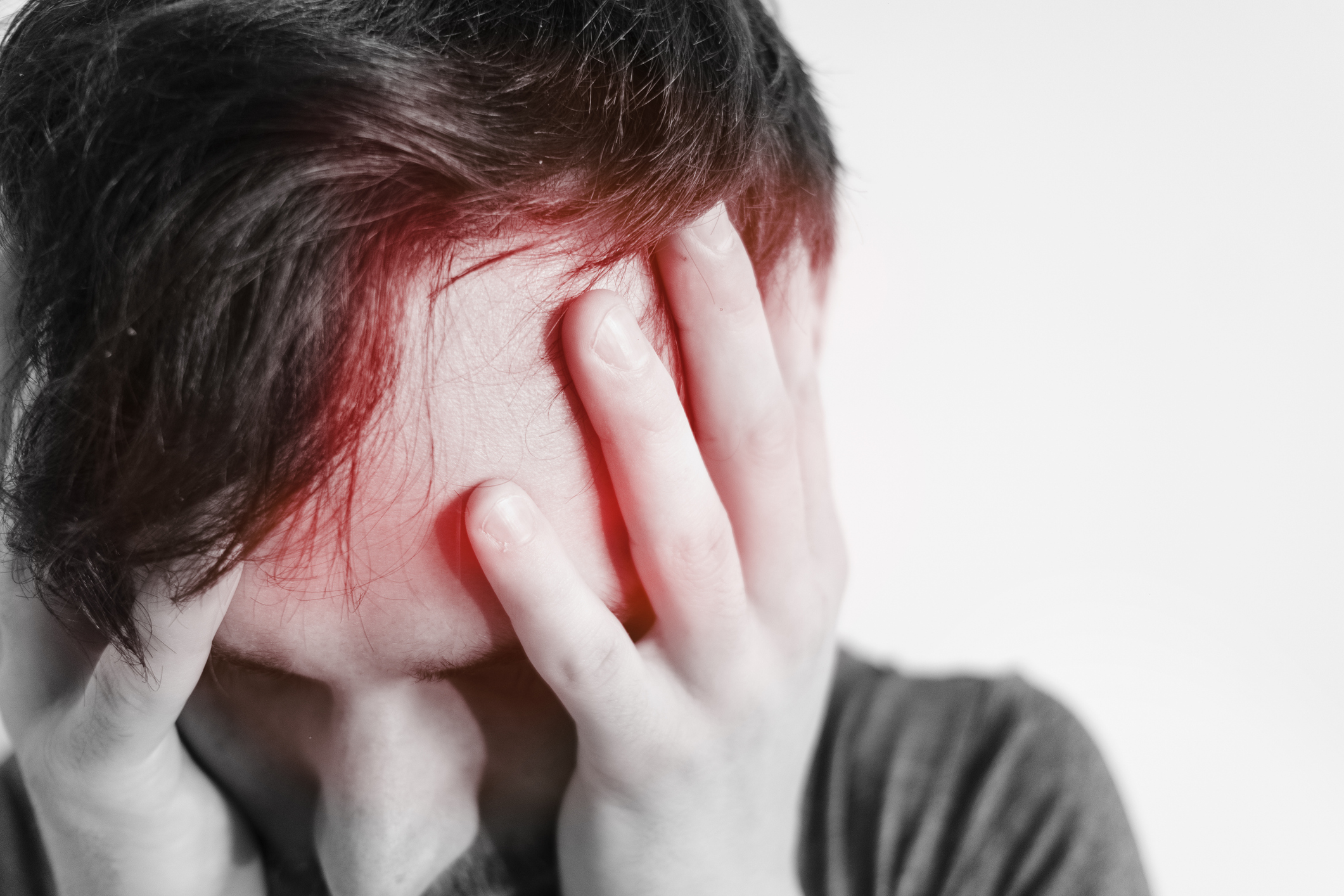
Neck Pain: Accompanied by neck stiffness or discomfort.
Pain Intensity: Can range from mild to severe and may worsen with certain neck movements or positions.
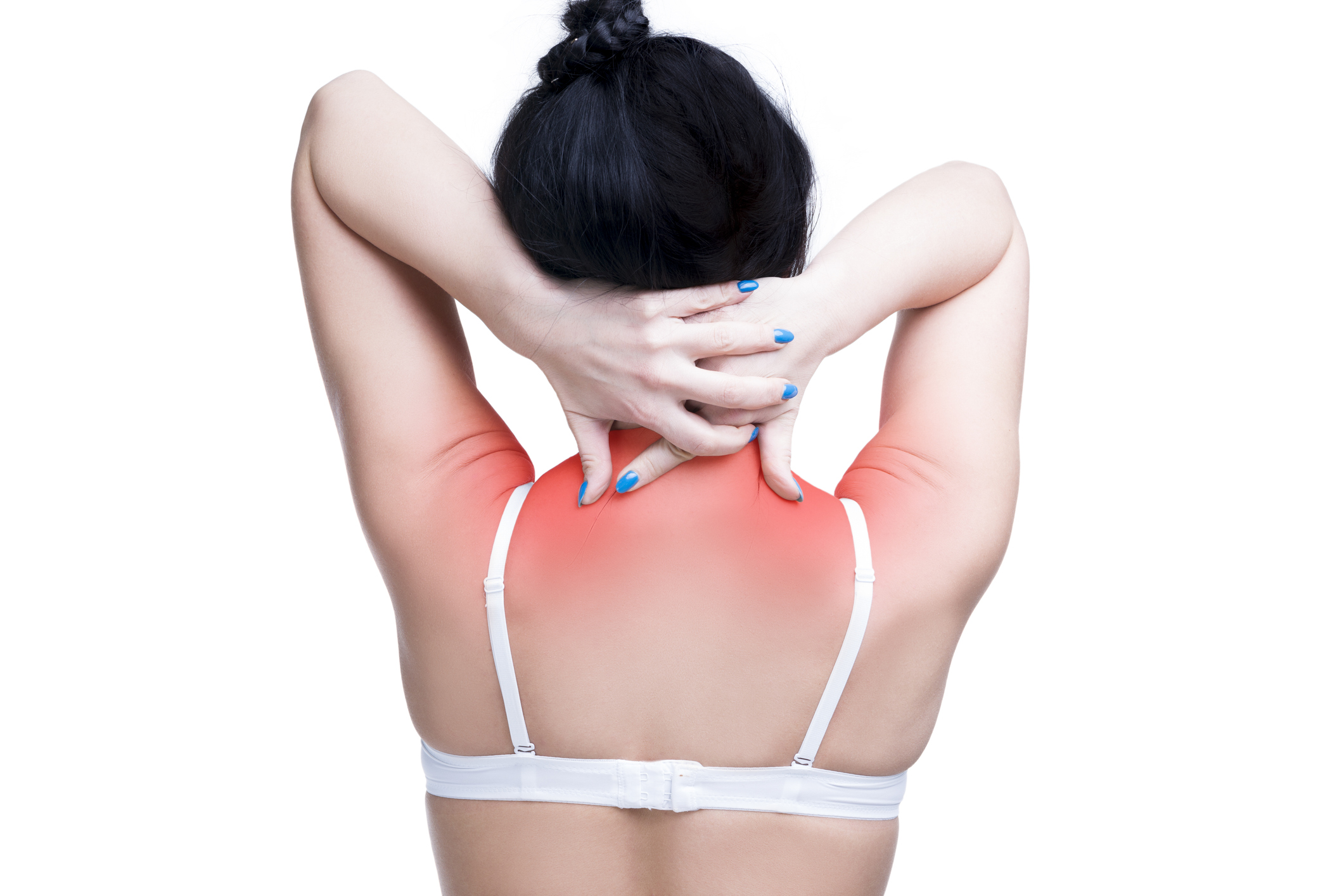
Trigger Points: Pain may be exacerbated by pressing on specific areas in the neck or upper back.
Other Symptoms:
Limited Range of Motion: Difficulty moving the neck, which may increase headache severity.
Nausea: Some individuals may experience mild nausea along with headaches.
Sensitivity to Light or Sound: Similar to other types of headaches, light or noise sensitivity can occur.
Causes:
- Cervical Spine Disorders: Conditions like osteoarthritis, herniated discs, or degenerative disc disease can irritate the nerves and lead to headaches.
- Injuries: Trauma from accidents, such as whiplash or sports injuries, can contribute to the development of cervicogenic headaches.
- Poor Posture: Prolonged poor posture (e.g., slouching or hunching over a computer) can strain neck muscles and lead to headaches.
- Muscle Tension: Tightness or spasms in neck and shoulder muscles can refer pain to the head.
- Arthritis: Inflammatory conditions affecting the cervical spine can cause headaches.
- Structural Abnormalities: Congenital or acquired structural issues in the cervical spine can contribute to headache symptoms.
Other Conditions


Notes:
Imaging findings in the upper cervical spine are common in patients without headache; they are suggestive but not firm evidence of causation.
Tumours, fractures, infections and rheumatoid arthritis of the upper cervical spine have not been formally validated as causes of headache, but are accepted to fulfil criterion B in individual cases. Cervical spondylosis and osteochondritis may or may not be valid causes fulfilling criterion B, again depending on the individual case.
When cervical myofascial pain is the cause, the headache should probably be coded under 2. Tension-type headache; however, awaiting further evidence, an alternative diagnosis of A11.2.5 Headache attributed to cervical myofascial pain is in the Appendix.
Headache caused by upper cervical radiculopathy has been postulated and, considering the now well-understood convergence between upper cervical and trigeminal nociception, this is a logical cause of headache. Pending further evidence, this diagnosis is in the Appendix as A11.2.4 Headache attributed to upper cervical radiculopathy.
Features that tend to distinguish 11.2.1 Cervicogenic headache from 1. Migraine and 2. Tension-type headache include side-locked pain, provocation of typical headache by digital pressure on neck muscles and by head movement, and posterior-to-anterior radiation of pain. However, while these may be features of 11.2.1 Cervicogenic headache, they are not unique to it and they do not necessarily define causal relationships. Migrainous features such as nausea, vomiting and photo/phonophobia may be present with 11.2.1 Cervicogenic headache, although to a generally lesser degree than in 1. Migraine, and may differentiate some cases from 2. Tension-type headache.
Source: https://ichd-3.org/11-headache-or-facial-pain-attributed-to-disorder-of-the-cranium-neck-eyes-ears-nose-sinuses-teeth-mouth-or-other-facial-or-cervical-structure/11-2-headache-attributed-to-disorder-of-the-neck/11-2-1-cervicogenic-headache/