

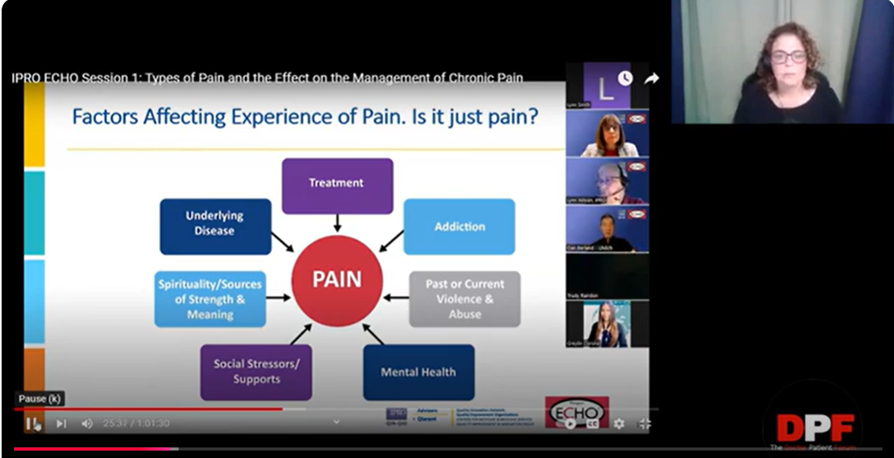
When a patient comes to a physician describing confusing symptoms that don’t immediately fit a clear diagnosis, it can be tempting to dismiss their pain, especially if the cause isn’t obvious. However, this response does a disservice to patients who may be suffering from real, debilitating conditions. Pain is real, and it deserves to be treated, no matter how complicated or hard to define.
Unfortunately, some medical professionals have adopted the mindset that patients with chronic pain conditions like fibromyalgia or complex regional pain syndrome (CRPS) are malingering or exaggerating their symptoms. This bias is often more pronounced against women or people of color, with some physicians even attributing pain to psychological causes or trauma from childhood, without exploring other possibilities. The problem with this approach is that it disregards the physical reality of chronic pain and perpetuates harmful stereotypes.
Many chronic pain conditions, such as fibromyalgia, rheumatoid arthritis (RA), and lupus, often go undiagnosed or misdiagnosed, especially when symptoms don’t fit neatly into predefined categories. Women, in particular, may be disproportionately labeled with psychological conditions like somatization disorder, when their symptoms could be due to autoimmune diseases or other medical conditions. Unfortunately, in the push to reduce the use of opioid medications, patients with chronic pain are sometimes wrongly told their suffering is psychological, dismissing the possibility of a physical cause altogether.
Chronic pain, especially when it is diffuse (like pain “all over” the body), is often misunderstood. For example, fibromyalgia, affecting up to 12 million Americans, can cause widespread pain that’s not always easy to diagnose. But the fact that a condition is difficult to diagnose or doesn’t fit easily into established categories doesn’t make it any less real. Over 100 autoimmune diseases, many of which are more common in women, can present with similar symptoms.
Additionally, conditions like central pain syndrome, which can result from injury to the central nervous system (CNS), often lead to persistent and severe pain. These conditions can be triggered by trauma, stroke, multiple sclerosis (MS), or even micro-injuries that may not show up on standard scans. Unfortunately, many physicians, influenced by the current trend to attribute chronic pain to psychological causes, may overlook these physical injuries, further prolonging suffering.
When pain is dismissed, patients are left feeling misunderstood and desperate for relief. This can lead to the misconception that they are “drug-seeking,” when in fact, they are simply seeking the treatment they deserve. This kind of treatment is not only harmful to patients’ physical well-being but also damages the trust between patients and healthcare providers.
It’s crucial that we listen to our patients and take their pain seriously. Chronic pain, whether due to physical conditions like RA or fibromyalgia, or neurological disorders like CRPS, is not “all in the head.” It’s a real, debilitating condition that requires compassionate and effective treatment. The refusal to acknowledge the physical aspects of pain and to dismiss it as psychological not only harms patients but can also lead to devastating outcomes.
By failing to properly diagnose and treat chronic pain, healthcare providers are doing a disservice to patients who, like military veteran Ryan Larkin, suffer in silence. Ryan, who endured multiple combat tours and exposure to traumatic blasts, was initially diagnosed with PTSD. Yet, his severe headaches and other symptoms were dismissed as mental health issues, when, in reality, he had suffered real, physical brain damage due to his exposure to explosions. His tragic death underscores the importance of truly listening to patients and addressing their pain with the care and respect it deserves.
The message is clear: real pain deserves real treatment. Patients should never be dismissed or labeled as malingering because their symptoms don’t fit a simple diagnosis. Every patient deserves compassionate care and a thorough examination to get to the root cause of their pain, whether physical or psychological.
For more on the importance of acknowledging and treating real pain, check out the article Real Pain Deserves Real Treatment.
At the end of the day, the pain people feel is real, and it must be treated as such. Ignoring this reality only leads to more suffering and harm. If you or someone you know is dealing with chronic pain, don’t let anyone tell you it’s “all in your head.” Seek the care and treatment you deserve.
This blog post is inspired by the work of Dr. L. Joseph Parker, a respected professional in the fields of science, military service, and medical practice, with a deep understanding of the impact of chronic pain on individuals and society.