
Vertebrogenic Pain
Vertebrogenic Pain is associated with Degenerative Disc Disease (DDD)
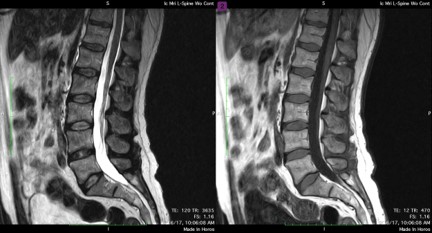
When the intervertebral discs of the spine break down over time, the bony vertebrae get closer and closer to one another. Over time, this causes swelling and inflammation of the bony endplates that occurs as a part of biological remodeling. As the discs fully degrade, the bony endplates eventually fuse together in a process that can be seen on MRI imaging. The changes associated with this remodeling are called Modic changes and can be seen on MRI. These changes are typically not dangerous, but are associated with pain during the inflammatory and swelling phases.
If Modic changes are present and low back pain symptoms match those of vertebrogenic pain, you may be a candidate for Basivertebral Nerve Ablation. This procedure uses a special bone needle to enter the vertebral body and creates a small burn in the center of the bone. This is the location of the nerve supply to the endplates, which transmits the pain signals from those endplates. This procedure is performed in the operating room under anesthesia, and typically provides significant relief of debilitating vertebrogenic pain, with patients reporting improvements in pain, function, and quality of life after the procedure.
Symptoms:
Radiating Pain: Discomfort may radiate to surrounding areas, such as the shoulders, arms, or legs, often following nerve pathways.
Stiffness: Reduced range of motion in the back, with difficulty bending or twisting.
Muscle Spasms: Tightness or spasms in the muscles surrounding the affected vertebrae.

Other Symptoms:
Weakness: Reduced strength in the limbs, particularly if there is nerve involvement.
Worsening Symptoms: Pain may worsen with forward flexion or sitting as this loads the anterior column of the spine.
Causes:
- Degenerative Disc Disease and Modic Changes: Wear and tear of spinal discs can lead to pain and discomfort.
- Herniated Discs: Bulging or ruptured discs can press on spinal nerves, causing pain.
- Osteoarthritis: Degenerative changes in the joints of the spine can lead to inflammation and pain.
- Vertebral Fractures: Fractures due to trauma or osteoporosis can result in significant pain.
- Spinal Stenosis: Narrowing of the spinal canal can compress nerves and lead to pain.
- Muscle Strain: Overuse or injury of muscles in the back can cause acute or chronic pain.
- Infections or Tumors: Rarely, infections or tumors affecting the spine can lead to vertebrogenic pain.
Treatments:
There are several effective ways to alleviate the pain, including a variety of treatments beyond just medication. Treatment options for Vertebrogenic Pain includes:

We understand that each patient’s pain is unique. Therefore, the treatment recommended to each patient will be personalized to fit their condition and lifestyle. Schedule an appointment today to discuss your concerns and what treatment options might be right for you!
Other Conditions