
Peripheral Nerve Injury
A peripheral nerve injury refers to damage to the peripheral nerves, which are the nerves located outside the brain and spinal cord. These nerves are responsible for transmitting signals between the central nervous system and the rest of the body, including muscles and sensory organs.
Symptoms:
Numbness and Tingling: Sensations of numbness or "pins and needles" in the affected area.
Weakness: Muscle weakness in the affected limb or body part, making it difficult to perform tasks.

Other Symptoms:
Sensitivity: Increased sensitivity to touch or temperature in the affected area.
Muscle Atrophy: Wasting away of muscle tissue due to lack of nerve stimulation over time.
Loss of Coordination: Difficulty in coordinating movements, particularly in the hands or feet.
Changes in Reflexes: Diminished or absent reflexes in the affected area.
Causes:
- Trauma: Direct injury from accidents, falls, or sports-related injuries (e.g., fractures, lacerations).
- Compression: Prolonged pressure on nerves, often due to repetitive motions, poor posture, or tight bandaging.
- Stretching: Nerve stretch injuries from sudden movements or trauma (e.g., brachial plexus injury).
- Diseases: Conditions such as diabetes (diabetic neuropathy), infections, autoimmune diseases, and hereditary neuropathies can damage peripheral nerves.
- Toxins: Exposure to certain toxins, including heavy metals and chemicals, can lead to nerve damage.
- Tumors: Growths near nerves can compress or invade them, causing injury.
Treatments:
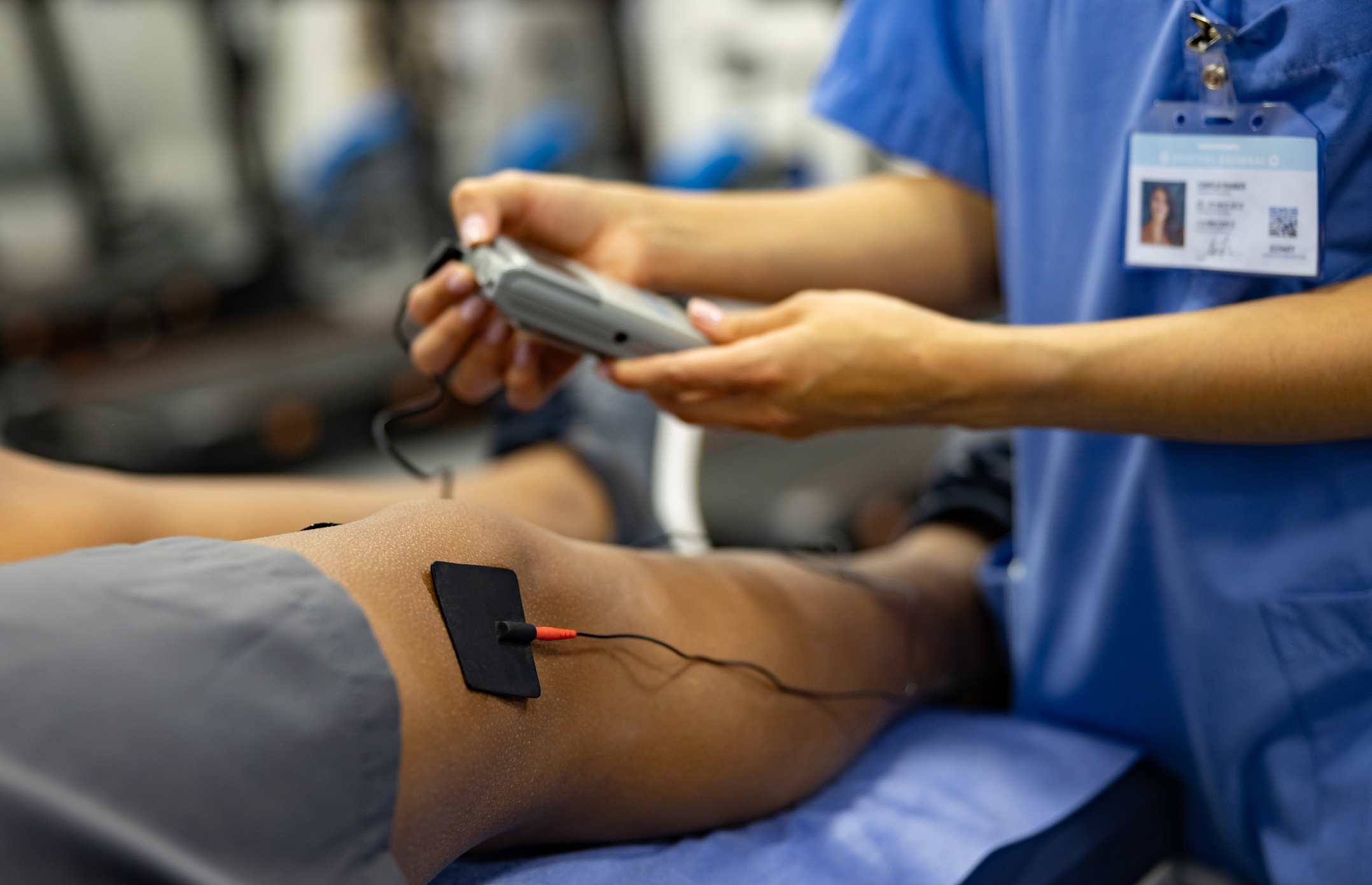
There are several effective ways to alleviate the pain, including a variety of treatments beyond just medication. Treatment options for a Peripheral Nerve Injury includes:




Other Conditions